Home Security
Add a review FollowOverview
-
Founded Date March 25, 1929
-
Sectors Other
-
Posted Jobs 0
-
Viewed 14
Company Description
Replacement Conservatory Panels Tools To Facilitate Your Daily Life
Understanding Replacement Conservatory Panels: A Comprehensive Guide
Conservatories are cherished additions to numerous homes, integrating the advantages of nature with the comforts of modern-day living. However, in time, conservatory panels may experience wear and tear, leading house owners to consider replacements. This article provides an extensive guide to replacement conservatory panels, consisting of typical types, essential benefits, lock Installation procedures, residential lock repair and maintenance tips.
What Are Conservatory Panels?
Conservatory panels are generally made from glass or polycarbonate and form the walls and roof of a conservatory. They play an essential role in insulation, temperature control, and visual appeal. Over years of direct exposure to the elements, these panels can end up being tarnished, damaged, or less energy-efficient, triggering property owners to seek replacements.
Common Types of Conservatory Panels
There are numerous types of conservatory panels offered on the marketplace. Each has its distinct homes, advantages, and disadvantages:
-
Glass Panels:
- Standard Glass: Provides clear visibility and exceptional visual appeals; can be double or triple glazed for better thermal insulation.
- Tempered Glass: Stronger and more resistant to damage; suitable for safety.
- Low-E Glass: Designed with a special finishing to show heat back into the conservatory, guaranteeing energy efficiency throughout seasons.
-
Polycarbonate Panels:
- Standard Polycarbonate: Lightweight and UV resistant, often utilized for roofing.
- Multiwall Polycarbonate: Offers outstanding insulation properties, offered in different thicknesses.
- Twinwall Panels: A popular choice for their balance of insulation, weight, and cost-effectiveness.
-
Acrylic Panels:
- Lightweight and available in different colors.
- Deal comparable UV resistance to polycarbonate however can scratch more easily.
-
Composite Panels:
- Made from a mix of products and supply boosted resilience and insulation.
- Often utilized for modern conservatories.
Benefits of Replacement Conservatory Panels
Replacing conservatory panels can provide numerous benefits:
-
Improved Energy Efficiency: Upgrading to modern-day, insulated panels can substantially decrease heating & cooling expenses, as they prevent heat loss in winter season and keep the interior cool during summer.
-
Boosted Aesthetics: New panels enhance the visual appeal of a conservatory, restoring clarity and brightness and adding value to the home.
-
Increased Durability: Modern products are designed to hold up against the components much better than older panels, reducing the need for more replacements in the future.
-
Noise Reduction: Properly set up and insulated panels can reduce external noise, Window lock Maintenance producing a serene environment.
-
Much Better UV Protection: New panels often have coverings that secure against hazardous UV rays, preserving furnishings and flooring inside the conservatory.
Replacement Process
When considering the replacement of conservatory panels, house owners need to follow a methodical procedure:
-
Assessment: Inspect the existing panels to determine which ones need replacement and whether there are any underlying issues, such as damage to the frame or seals.
-
Pick Panel Type: Based on the evaluation, pick the best kind of replacement panels that satisfy aesthetic and functional needs.
-
Gather Materials: Purchase all essential materials like replacement panels, adhesives, seals, and tools required for setup.
-
Eliminate Old Panels: Carefully remove the old panels to avoid harming the surrounding structure. It may involve unscrewing or unsnapping panels from the frame.
-
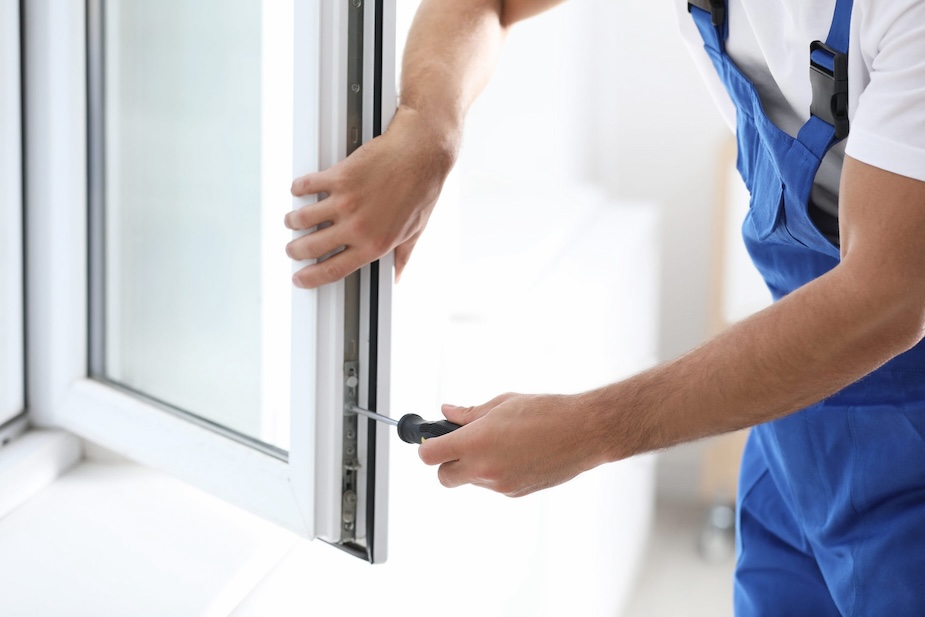
Install New Panels: Lock Repair Service Follow the maker’s instructions for installing brand-new panels, making sure that they are sealed appropriately to avoid leaks.
-
Seal and Finish: After setup, look for spaces or spaces around the edges and apply suitable sealing products, if necessary.
-
Maintenance: Regular cleansing and maintenance can boost the resilience and look of replacement panels.
Frequently Asked Questions (FAQs)
1. How long do conservatory panels last?Conservatory panels can last anywhere from 10 to 25 years, depending upon the material and environmental conditions. Proper maintenance can likewise extend their lifespan. 2. Can I replace conservatory panels myself?While it’s possible for a house ownerwith sufficient DIY skills, working with a professional
is a good idea for optimal outcomes and to prevent prospective damage throughout the process. 3. How much does it cost to change conservatory panels?The cost can vary substantially based upon the type of panels
and conservatory size. Usually, property owners can expect to pay between ₤
200 to ₤ 600 per panel, best window lock Repair consisting of labor. 4. Do all panels require to be changed at once?Not necessarily. House owners can replace specific panels as required. However, replacing several panelssimultaneously can make sure a more uniform and visually pleasing appearance. 5. Exist energy-efficient options available?Yes, contemporary glass and polycarbonate panels include energy-efficient choices, including low-emissivity(Low-E )glass, which maintainsheat better. Changing conservatory panels is an essential element
of preserving the appeal, performance, and longevity of a conservatory. With a range of materials and types offered, house owners have the opportunity to
enhance their areas substantially. Whether it’s enhancing energy efficiency or merely renewing the appearance of the conservatory, investing in replacement panels is a choice that settles in convenience, visual appeal, and worth. By understanding the types of panels readily available and following a correct replacement process, homeowners can guarantee their conservatories stay satisfying areas for several years to come.